
Immediately change your password and enable multi-factor authentication if you are wondering my email has been hacked what do i do. You should also log out of all active sessions, scan your devices for malware, and review your account settings for unauthorized forwarding rules or changed recovery information.
Realizing your email has been compromised feels like discovering a stranger has the keys to your home. It is a violation that triggers immediate panic, especially when you consider how much of your professional and personal life is stored within your inbox. From sensitive business contracts to password reset links for your bank account, your email is the primary gateway to your entire digital identity. This guide provides a clear, actionable roadmap to help you regain control. We will walk you through the immediate steps to recover access, identify how the breach happened, and secure your other connected accounts. You will also learn how to audit your settings for hidden threats and determine when it is time to call a professional technician in Bristol to ensure your network is truly safe.
Immediate Signs Your Email Account Has Been Hacked
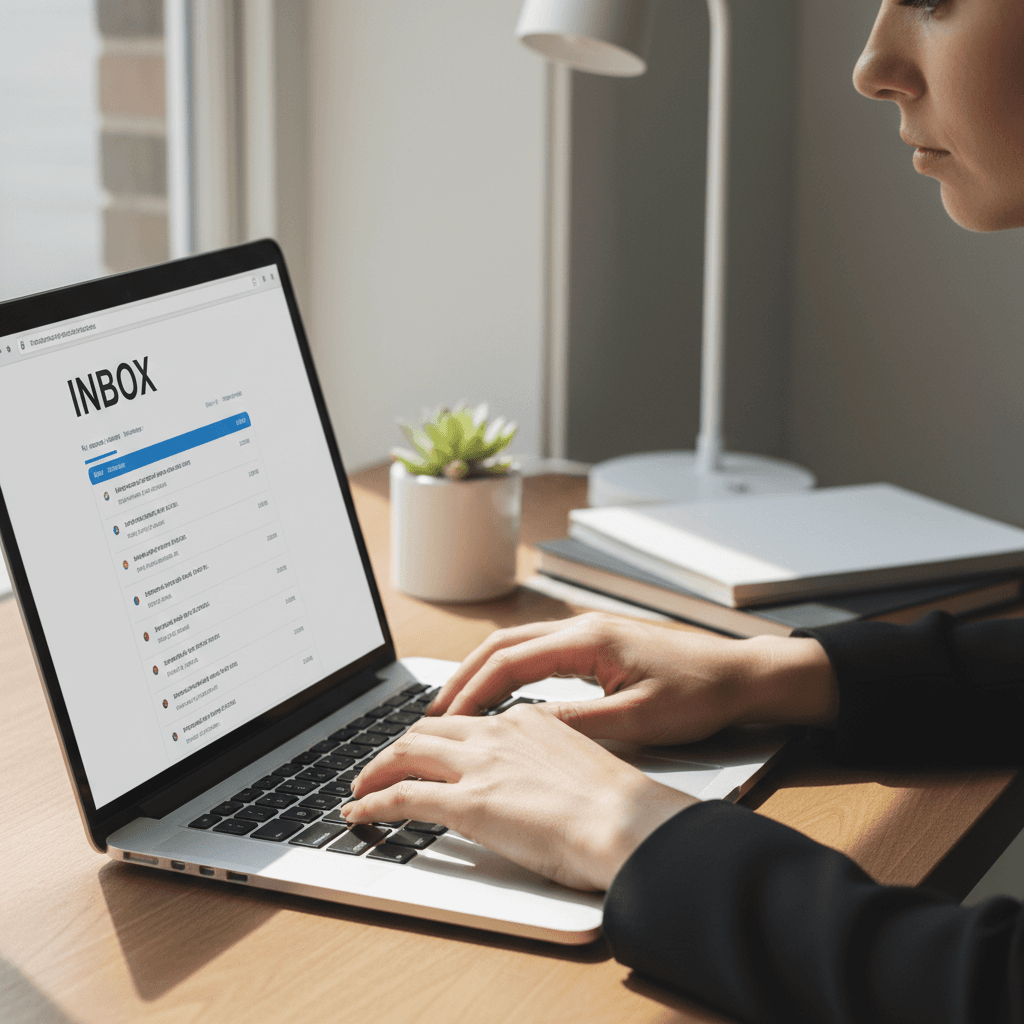
Realizing your inbox might be compromised is stressful. If you find yourself searching "my email has been hacked what do i do", the first step is to confirm the breach by identifying specific red flags. The most obvious indicator is being unable to log in despite entering the correct password; this usually means an intruder has already changed your credentials to lock you out.
You should also look for automated security alerts from providers like Microsoft or Google. These often arrive as emails or push notifications stating a new sign in occurred from an unrecognized location or device. If you see a login from a different country, or even just a different part of the UK while you were at home in Bristol, take it seriously.
Other technical signs include: - Unfamiliar messages in your 'Sent' or 'Trash' folders that you did not write. - Friends and family reporting that they received strange links or requests for money from your address. - Notifications that your recovery phone number or secondary email address has been updated. - Your password appearing in a public data breach, which is often a precursor to an active hack.
It is vital to distinguish between a full account takeover and email 'spoofing'. In a takeover, the hacker has your password and is actively using your account to read your mail or reset other passwords. Spoofers, however, simply forge your email address to make spam look like it came from you; in those cases, your account may still be secure, but your reputation is being used as bait. Confirming which one you are facing is essential to protect your computer from viruses and scams effectively.
Step 1: Attempt to Recover Your Account Access
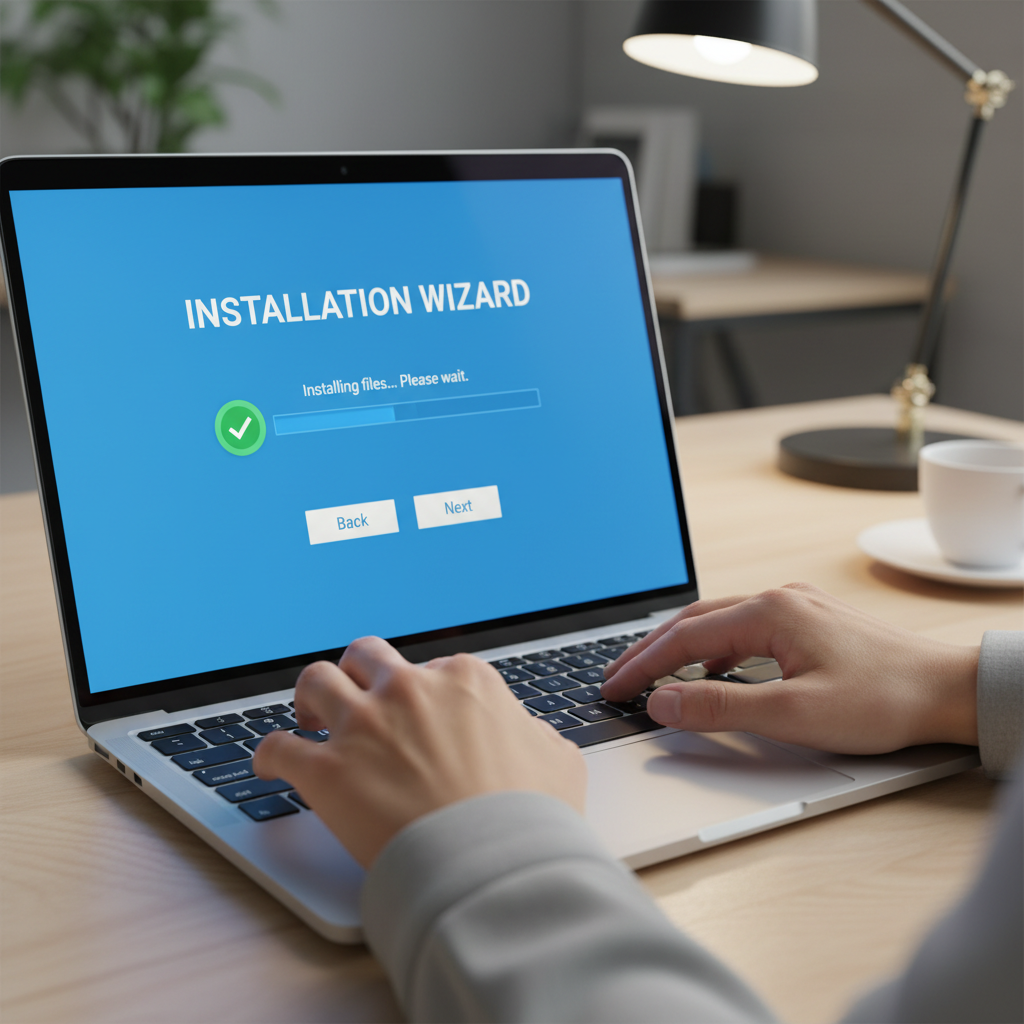
If you are locked out, your immediate priority is using the official recovery channels provided by your email host. For users in the UK, this usually means dealing with Google, Microsoft (Outlook or Hotmail), or BT Mail. Before you begin, ensure you are using a trusted device, such as your home laptop or personal smartphone, and a secure internet connection. Avoid using public Wi-Fi for this process. Providers track the IP addresses and hardware IDs you typically use. Attempting a recovery from a recognized device significantly increases your chances of success.
For Gmail, navigate to the Google Account Recovery page. If your recovery phone number or secondary email has been changed by the intruder, selecting "Try another way" allows you to answer security questions or provide a previous password to prove your identity. For Outlook.com or Hotmail users, the "Forgot password?" link leads to a verification stage. If the hacker has updated the security info, Microsoft provides a specific recovery form where you can provide details about recently sent emails or subject lines to verify ownership.
BT Mail users should log into their BT ID. If the credentials fail, the "Forgotten password" flow will prompt for the email address and a postal code as an initial layer of security. If the hacker has hijacked these recovery options, you will likely need to verify your identity using the secret questions set up when the account was created.
If you have lost access and the automated tools are failing, you might need professional computer troubleshooting to investigate if your local machine has been compromised. Proving your identity to a large provider when the recovery data has been altered is difficult, but providing consistent, accurate historical data about the account is key. If you are struggling to navigate these complex forms while searching for how to recover your account, you can contact SWIT for support to walk through the technical verification steps during an evening home visit.
Step 2: Change Your Password and Kick Out Intruders
Once you have successfully regained access, you must establish a clean break between the intruder and your data. Start by updating your password to something entirely new and complex. Avoid using passwords you have used previously on other sites, as hackers often attempt to reuse credentials across multiple platforms during a coordinated attack. A unique password ensures that even if one of your other accounts is compromised later, your email remains a secure fortress.
Crucially, simply changing your password does not always disconnect everyone currently logged into your account. Many modern email services use persistent tokens that remain valid even after a credential change. To fix this, you must manually force a logout of all active sessions. In Google, navigate to the Security tab, find the Your devices section, and select the option to manage all devices to sign out of any unrecognized hardware. For Microsoft accounts, look under Advanced security options for the Sign me out link.
This action invalidates every existing login session, including those on mobile apps or browsers the hacker might still be using. If these technical menus feel daunting, or if you are worried about leaving a back door open, I can provide professional computer troubleshooting to verify your account security. Ensuring your primary email is locked down is the most effective way to protect your computer from viruses and scams in the long term.
Step 3: Check for Hidden Rules and Auto-Forwarding
Changing your password is a vital first step; however, it does not always stop the data leak. If you are wondering "my email has been hacked what do i do" to stop it from happening again, you must address the hidden configurations intruders often leave behind. Experienced hackers frequently set up auto-forwarding rules that silently send a copy of every incoming message to their own external address. Even if you have regained control, they could still be monitoring your private bank statements, utility bills, or password reset links for other services.
To check for these hidden configurations, navigate to your email settings: - In Outlook or Hotmail, go to Settings, select Mail, and then check both Rules and Forwarding. Delete any entries you did not create manually. - In Gmail, click the gear icon for Settings, select See all settings, and go to the Forwarding and POP/IMAP tab. Ensure the "Forward a copy of incoming mail to..." option is disabled or lists only your own trusted addresses. - For BT Mail, look under Settings and select Mail followed by Auto Forward.
Beyond the settings menu, investigate your Sent and Trash folders. Hackers often set rules to automatically move incoming security alerts or "unauthorised login" notifications straight to the bin to hide their tracks. If you see emails in your Trash that you never read, or messages in your Sent folder that you did not write, it is a clear sign that a malicious rule is active. Identifying these hidden persistence mechanisms is a critical part of professional computer troubleshooting. If you are unsure whether your settings are back to normal, contact SWIT for support to ensure your Bristol home office or personal setup is fully purged of any malicious configurations.
Step 4: Secure Your Other Digital Life
Once you have closed the back doors in your email settings, you must address the domino effect of a breach. For most people in Bristol, a primary email address serves as the master key for their entire digital life. If a hacker has had access to your inbox, they could have easily triggered password resets for your Amazon account, PayPal, or online banking.
If you are currently asking yourself 'my email has been hacked what do i do' to protect your assets, remember that the inbox is rarely the final destination for an intruder. Start by auditing your most sensitive accounts. Prioritize your financial services first; check for any unauthorized transactions or changes to your delivery addresses in shopping apps. Next, secure your social media profiles like Facebook or Instagram, as these are often hijacked to spread scams to your local network. You should treat every service linked to that email address as potentially compromised and update those passwords immediately.
If you discover that money has been stolen or your identity is being misused, you should report the incident to Action Fraud, the UK's national reporting centre for fraud and cybercrime. Taking these steps is a vital part of how you protect your computer from viruses and scams across all platforms. If the scale of the breach feels overwhelming, obtaining professional computer troubleshooting can help you map out which accounts are at risk and ensure no stone is left unturned.
Setting Up Two-Factor Authentication (2FA) for Future Protection
The most effective way to ensure you never have to ask "my email has been hacked what do i do" again is to enable Two-Factor Authentication (2FA). Think of 2FA as a double-lock system for your digital life. Even if a criminal discovers your password, they cannot gain entry without a second piece of evidence that only you possess. This simple addition stops the vast majority of automated hacking attempts instantly, as an intruder in a different country will not have access to your physical device.
You typically have two main options for these codes. SMS-based 2FA sends a text message to your mobile; it is convenient and widely supported by UK providers. However, for a higher level of security, I recommend using an Authenticator app such as those provided by Google or Microsoft. These apps generate a unique code on your device that does not rely on the mobile network, making it significantly harder to intercept. While entering a code adds five seconds to your login process, this small habit is the single best way to protect your computer from viruses and scams going forward. It is a minor inconvenience that provides immense peace of mind.
When to Call a Professional Technician in Bristol
Sometimes the standard recovery steps are not enough to resolve the underlying issue. If your account was compromised because of a keylogger or hidden malware on your laptop, simply changing your password provides only a temporary fix. The moment you type your new credentials, the intruder could capture them again. Residents in Southville, Bedminster, or Emersons Green can have SWIT perform a deep security scan of their hardware to ensure any infection is removed at the source.
If the recovery process feels overwhelming or you are worried about missing a step while trying to figure out "my email has been hacked what do i do", expert assistance can simplify the situation. I provide professional computer troubleshooting with flexible evening availability to fit around your daytime commitments. I can visit your home in person to walk you through recovery forms, audit your account settings, and help you protect your computer from viruses and scams effectively. If you suspect your physical device is no longer trustworthy, contact SWIT for support to secure your digital life.