

The most reliable way to secure your files is to use a combination of local external hard drives and automated cloud storage services. This back up home computer simple guide suggests utilizing built in tools like Windows Backup or third party services to ensure all your photos, documents, and system files remain protected from hardware failure.
Imagine losing years of family photos or essential financial documents in a single hard drive crash. Most people treat data backup like a chore they can indefinitely postpone; however, the anxiety of a potential hardware failure often lingers in the back of their minds. Digital hardware is inherently temporary. It is not a matter of if your drive will fail, but when it will happen. Protecting your digital legacy requires a strategy that works reliably without demanding your constant attention or technical expertise. This guide simplifies the process by breaking down the 3-2-1 rule into actionable steps for Bristol residents. You will learn how to automate local hardware backups, utilize secure cloud services for a seamless workflow, and ensure your most precious files are protected before a crisis occurs. By the end, you will have a robust, professional grade system that runs entirely in the background.
Why Backing Up Your Computer is Important for Every Home User
Let's be honest, backing up your data is probably the last thing you want to do after a long day at work. It is a task that feels inherently boring until the moment you realize something important has vanished. Most home users ignore the risks until they face a 'Disk Not Found' error or a blinking folder icon. In my experience helping clients across Bristol, data loss usually stems from three sources. There is simple human error, like accidentally emptying the recycle bin on a vital folder. There is hardware failure, where an old hard drive simply reaches the end of its life. Finally, there is physical damage, such as a mug of tea tipped over a keyboard or a power surge during a seasonal storm.
While a laptop can be replaced at a retail store in the city centre, the digital life stored within it often cannot. Losing a decade of sentimental family photos or essential tax documents is significantly more painful than the financial cost of a new machine. This back up home computer simple guide aims to remove the stress from the process. If you want to ensure your device is configured correctly from the start, I offer professional computer setup services to handle the technical heavy lifting for you. My approach is practical and non-judgmental, as every computer user has faced a tech mishap at some point.
The 3 2 1 Rule Made Simple for Bristol Residents
To make your data truly resilient, I recommend following the 3-2-1 rule. It sounds like a technical sequence, but it is actually a straightforward way to organize your digital life so you never have to worry about a worst-case scenario. This strategy ensures that even if one part of your system fails, your files remain accessible.
3 copies of your data: Keep your original files plus two backup copies. Having multiple versions means you are never relying on a single piece of hardware.
2 different types of storage: Use two different technologies to store those backups. For example, you might use a physical external hard drive and a cloud-based service. This ensures that a single technical glitch affecting one type of device won't wipe out everything.
1 copy kept off-site: At least one backup must live somewhere other than your home.
Think of it like your house keys. You have your main set, and perhaps a spare in a hallway drawer. However, if you are locked out or there is an emergency at the property, those local sets might be unreachable. The smartest move is keeping a third set with a friend in Clifton or a neighbor in Redland. If something happens to the house itself, that off-site set is your way back in.
Many residents rely on a single USB stick left plugged into their laptop. While this protects against a simple file deletion, it offers no protection against theft or physical disasters. If a thief takes your laptop from your home, they will almost certainly grab the external drive sitting next to it. By moving one copy to the cloud, you ensure your data exists safely outside your home.
Step One: Using an External Hard Drive for Local Backups

The first layer of a resilient strategy involves a physical device. A local backup is the fastest way to restore your entire system if your computer's internal storage fails. Following this back up home computer simple guide starts with choosing the right hardware. You generally have two choices: a Hard Disk Drive (HDD) or a Solid State Drive (SSD). While HDDs are more affordable for high capacities, I recommend an SSD for most Bristol home users. SSDs are significantly faster and, because they have no moving parts, they are much less likely to break if knocked off a desk. Aim for a drive that is at least twice the size of your computer's internal storage to allow room for multiple versions of your files over time.
On Windows 10 and 11, the most efficient tool is File History. To set this up, connect your drive and search for Windows Backup in the Start menu. Under the File History section, select your drive and toggle the switch to on. This tool automatically saves copies of your files every hour. If you accidentally delete a document or a file becomes corrupted, you can roll back to a previous version in seconds.
Drive Type | Best For | Main Advantage |
|---|---|---|
SSD | Laptops and frequent use | Durability and speed |
HDD | Large photo and video archives | Lower cost per gigabyte |
Apple users have an even simpler option called Time Machine. Once you plug in an external drive, macOS usually asks if you want to use it for backups. It is a set it and forget it system that handles everything in the background. While these local methods are excellent for protecting against a failed hard drive, remember that they are still physically located in your home. If you find the hardware options confusing, you can contact SWIT for evening technical support to help select and configure the right drive for your specific needs. This step provides the speed you need for recovery, but it does not protect against local physical disasters.
Step Two: Set and Forget Cloud Backup Services
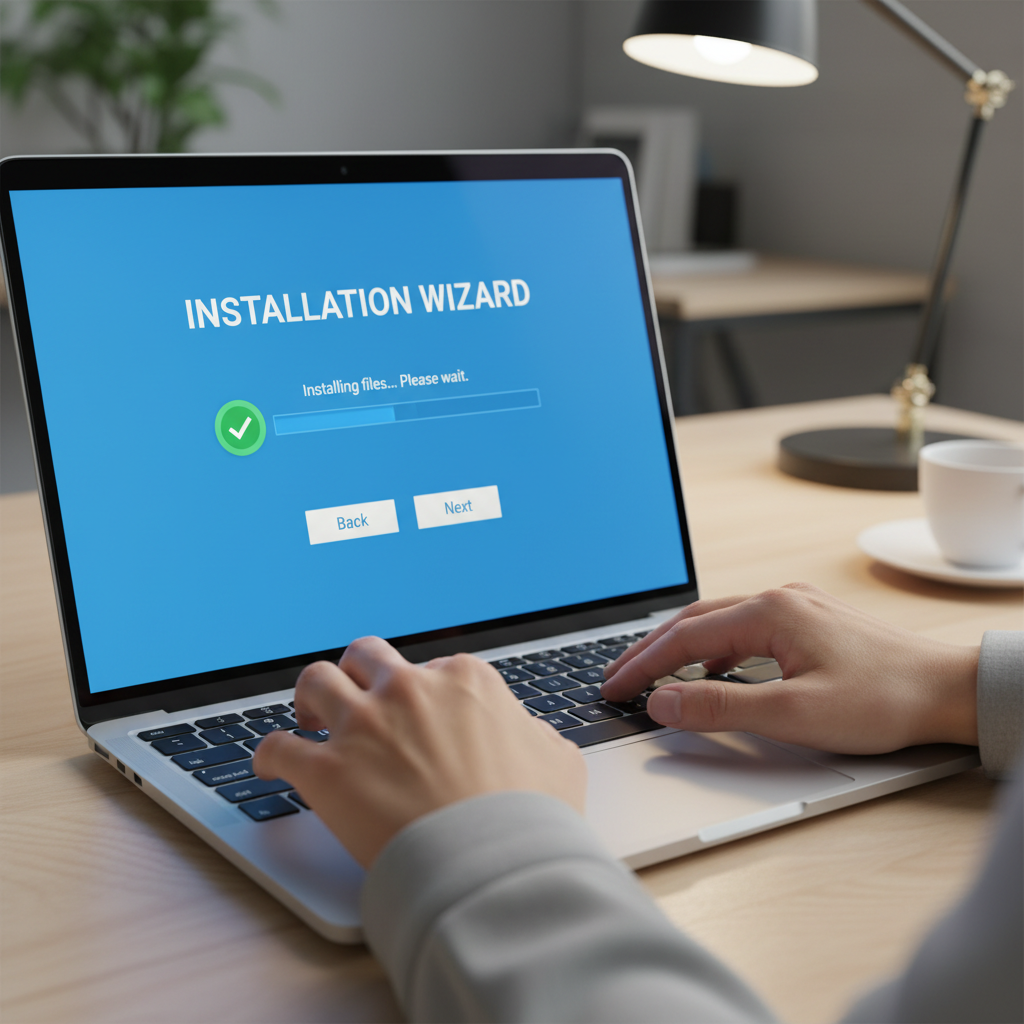
While a physical drive provides a quick fix for hardware failure, it remains vulnerable to events within your home. To complete the off-site portion of your strategy, you need a cloud-based solution. For most Bristol residents, the easiest starting point involves services they likely already have access to, often referred to as the Big Three.
Service | Best Suited For | Key Feature |
|---|---|---|
OneDrive | Windows and Microsoft 365 users | Deep integration with Windows File Explorer |
iCloud | Mac, iPhone, and iPad users | Seamless photo and device syncing |
Google Drive | Android and Gmail users | Excellent browser-based collaboration |
It is vital to understand the difference between syncing and true backup. Tools like OneDrive and iCloud are primarily sync services. This means your files live on both your computer and the web simultaneously; if you accidentally delete a folder on your laptop, the cloud version is often deleted too. For a more robust approach, I recommend dedicated backup services like Backblaze or Carbonite. These tools run quietly in the background and archive every version of your files, providing a safety net even if you make a mistake on your local machine.
Security is a common concern for my clients, who frequently ask: "Are cloud backup services secure?" These platforms use encryption, which scrambles your data into unreadable code before it ever leaves your house. Only your account credentials can unscramble it. It is like putting your documents in a digital safe before a courier picks them up.
Implementing this step ensures you follow our back up home computer simple guide by fulfilling the off-site requirement of the 3-2-1 rule. Because it happens automatically while you browse the web or work, it removes the risk of human forgetfulness. If you are unsure which service fits your budget or internet speed, you can contact SWIT for evening technical support. I can help you configure these settings during a home visit, ensuring your data is protected without you having to lift a finger.
How to Back Up Photos and Files Before it is Too Late
A common mistake many Bristol residents make is assuming that backing up their 'Documents' folder covers everything. In reality, most data loss heartache stems from forgetting that digital lives are scattered across several different locations. This back up home computer simple guide prioritizes 'The Big Four' folders to ensure nothing is left behind. When configuring your backup software, you must manually verify that it is targeting these specific areas:
Documents: Tax returns, scanned bills, and personal records.
Pictures: This is often the largest folder and the most difficult to replace.
Desktop: Many people save active projects here for convenience, yet forget to include it in their backup routine.
Videos: Family clips and home movies often live in a separate directory that occupies significant space.
Phone photos present another layer of risk. While iCloud and Google Photos are excellent for syncing, they are not infallible. If you lose access to your account or accidentally delete a photo from your phone, it may vanish from the cloud simultaneously. To create a true backup, install the desktop version of your photo service on your PC or Mac. This downloads a physical copy of your phone's gallery to your computer's hard drive. Once those photos are on your machine, your local external drive and your secondary cloud service (like Backblaze) will pick them up as part of their regular cycle.
Ensuring these files are correctly mapped can be the most technical part of the process. If you find your files are spread across different user accounts or hidden drives, you can contact SWIT for evening technical support to consolidate your data. Taking the time to verify these paths now prevents the realization that your backup was running for months but missing your most cherished memories.
How Often Should You Back Up the Data on Your Computer?
A frequent question I hear from clients is exactly how often these processes need to run. While large businesses often require hourly snapshots, most Bristol home users are well protected by a daily automated cloud cycle. Because cloud services run quietly in the background, this ensures that any photos added or documents edited during the day are secured by the time you go to bed.
For your physical external drive, a weekly or monthly plug-in session is usually sufficient. Since this requires manual action, it is the step most people skip. I suggest setting a recurring calendar reminder for a Sunday evening to keep this habit consistent. The ultimate goal is to automate every possible step so you never have to think about it again. If the technical side of scheduling feels overwhelming, I offer professional computer setup services to handle the configuration for you. Establishing a reliable rhythm is the core of any back up home computer simple guide; it ensures your data is safe without requiring constant attention. If you would prefer a hands-off approach, you can contact SWIT for evening technical support to get everything synced correctly.
Getting Professional Help with Your Home Backup Strategy in Bristol
Even with a back up home computer simple guide, the initial technical configuration can feel like a daunting hurdle. Connecting an external drive is one thing, but mapping file paths, managing encryption keys, and ensuring your smartphone gallery actually reaches the cloud requires precision. If these steps feel time-consuming or confusing, professional assistance can bridge the gap.
SWIT is designed for residents with busy daytime schedules. I offer flexible evening availability throughout Bristol, so a technician can visit your home after your working day ends. I provide on-site support in areas such as Bedminster, Bishopston, and Southville to build an automated, foolproof system tailored to your specific hardware. I will verify that every folder in your "Big Four" is covered and that your off-site copy is running silently in the background. If you want the certainty that your digital life is protected, you can contact SWIT for evening technical support. I also offer professional computer setup services to help you start with a clean, secure foundation.
Protecting your digital life does not have to be a source of constant stress. By setting up a reliable, automated backup system today, you can rest easy knowing your irreplaceable photos and documents are safe from unexpected hardware failures. If configuring these tools yourself feels like one more complex chore on your to-do list, SWIT is here to assist. If you want expert help to ensure your data is perfectly secured, you can learn more about us and how we simplify technology for home users.